Site investigation and geotechnics5
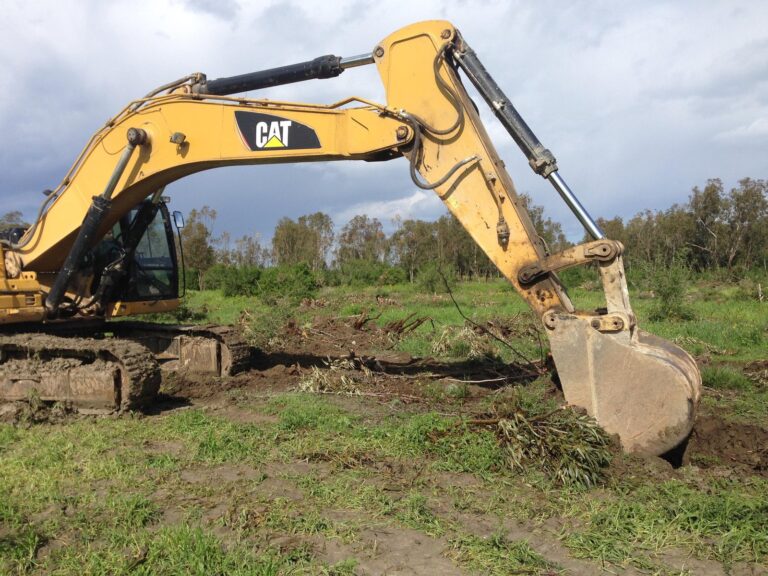
Ground in Cyprus: marl, soft limestone and expansive clays
Why marl, soft limestone and expansive clays in Cyprus call for a site investigation: trial pits, drilling, DCP and the lab tests that reveal the risk.
Read the guide →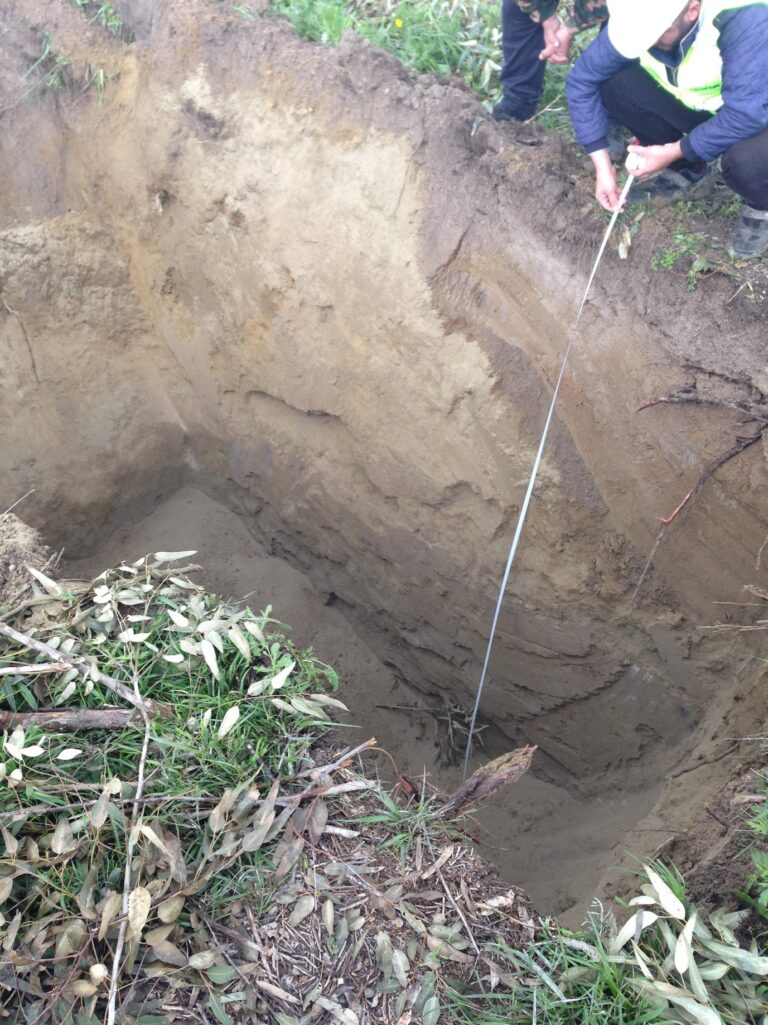
Cracks in a house: ground or structure?
Many wall cracks are cosmetic, but some point to ground movement. How to monitor a crack, when to call a structural engineer and what a site investigation can and cannot tell you.
Read the guide →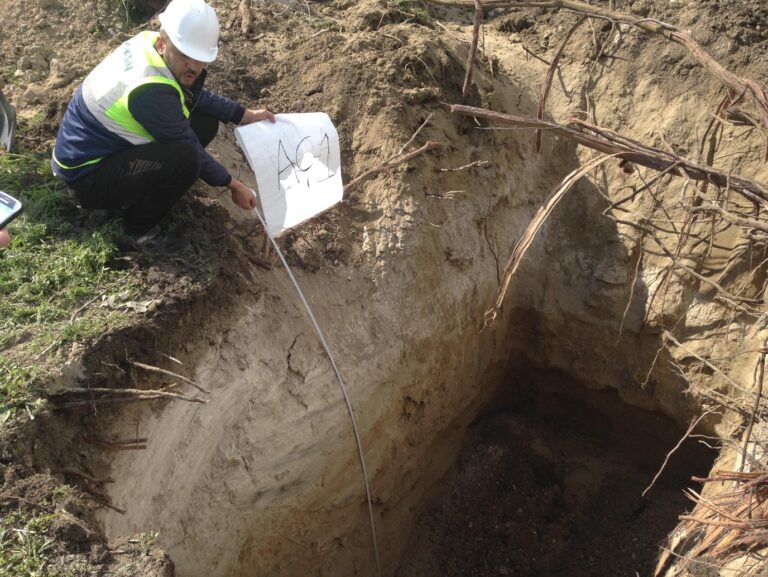
Atterberg limits and plasticity index of clay soils
Liquid limit, plastic limit and plasticity index explained: how we test them, how the plasticity chart classifies a clay, and what the results can and cannot tell you about…
Read the guide →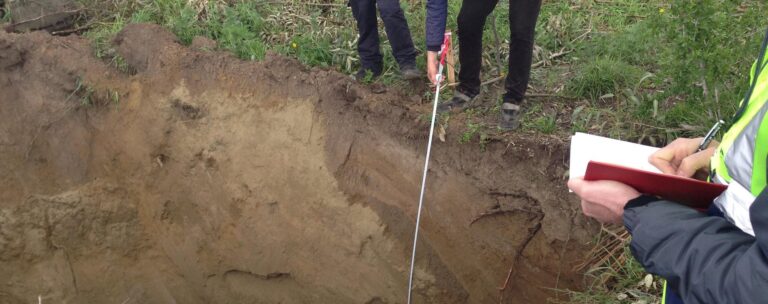
Allowable bearing pressure and settlement explained
Why a plot has no single bearing value, how bearing resistance and settlement are checked, which site and laboratory data the geotechnical engineer uses, and what a good report…
Read the guide →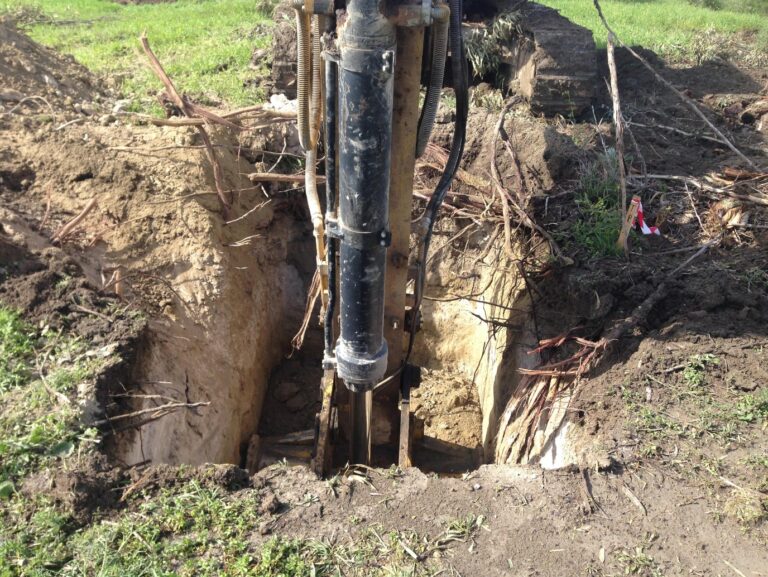
How to read a borehole log: SPT, RQD and core recovery
A practical guide to the borehole log: how the SPT N value is measured and read, what TCR, SCR and RQD say about rock cores, and how groundwater is recorded.
Read the guide →Earthworks and compaction control4
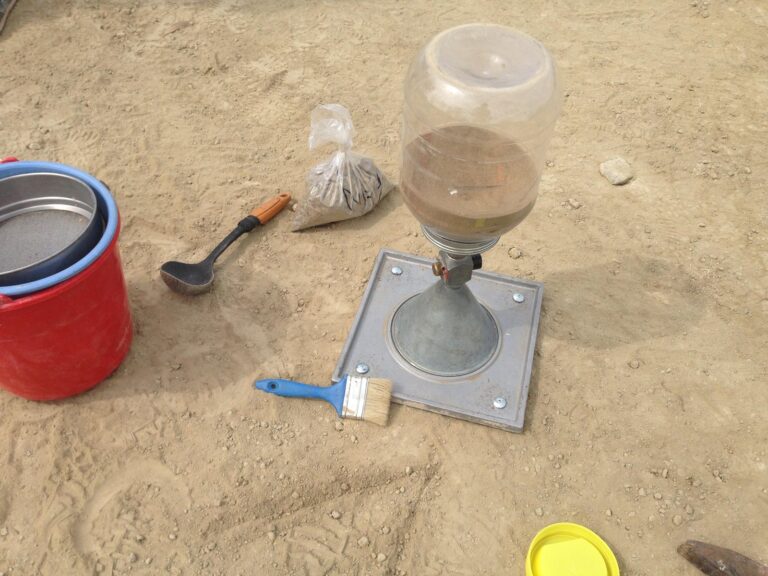
Sand cone test: in-place density and degree of compaction
How the sand cone test measures in-place density, why Proctor is the reference, how degree of compaction is calculated and what goes wrong on site.
Read the guide →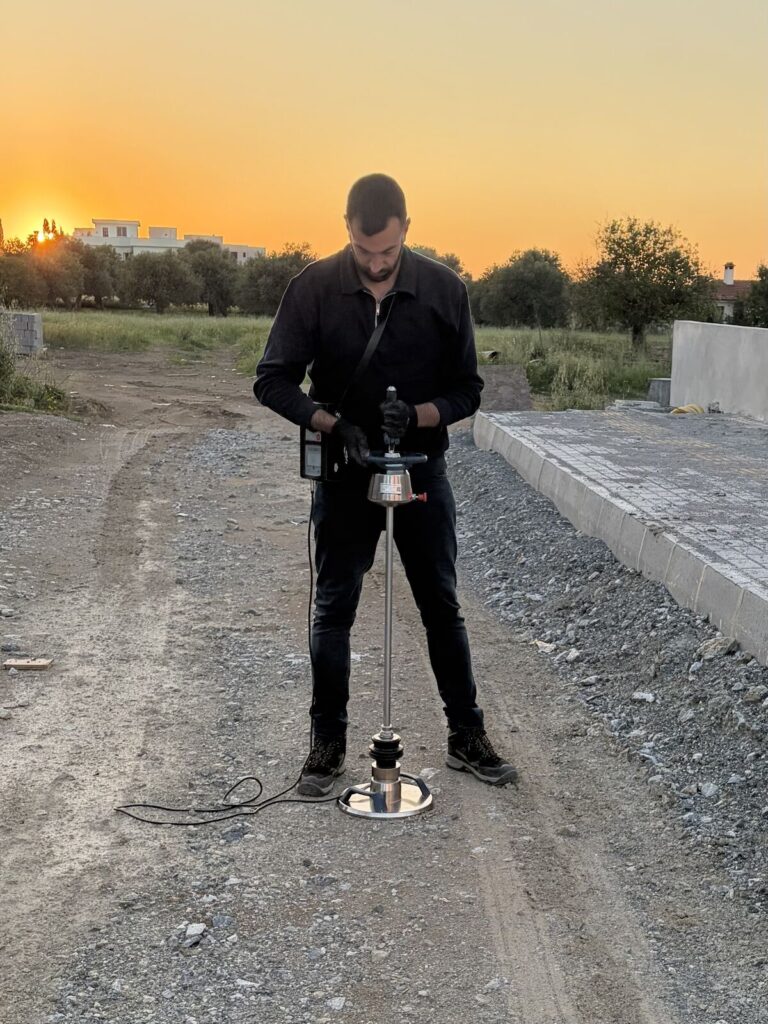
LWD compaction control and the Evd value
What the LWD measures, how the Evd value (dynamic deformation modulus) differs from density, where it fits in layer acceptance, its limits and how it works alongside the sand cone test.
Read the guide →
Proctor, CBR and water content: assessing fill in the lab
Proctor, CBR and water content tests for fill: the standards, how much sample to bring, how to bag it, and how the results support compaction control.
Read the guide →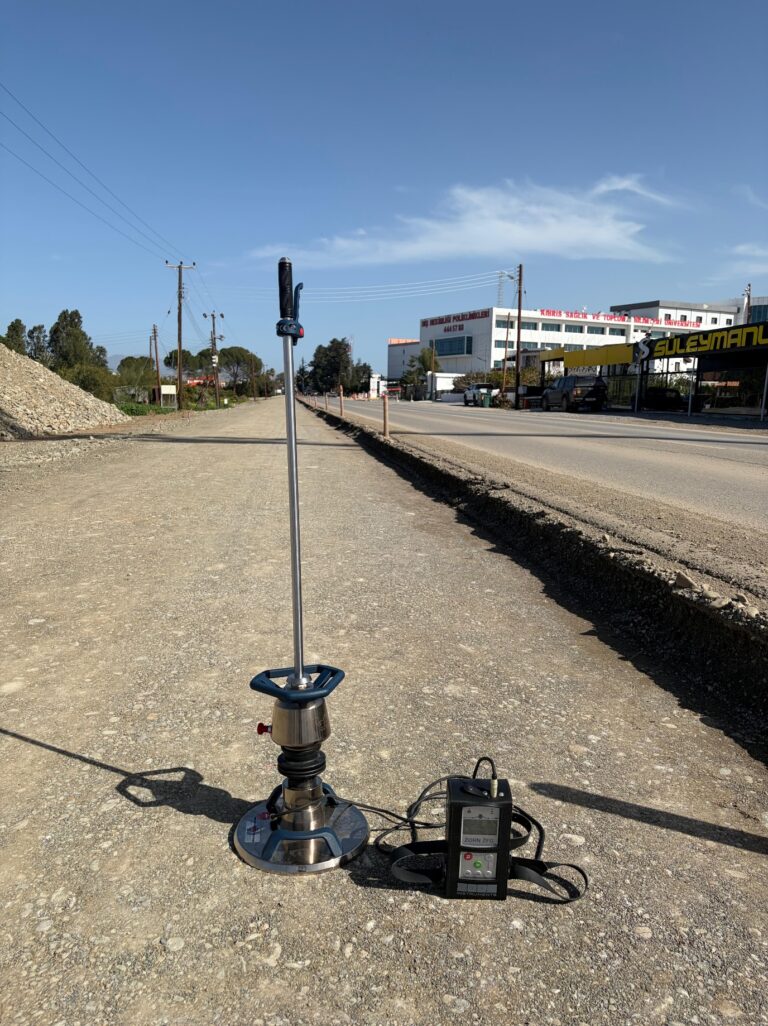
DCP test: penetration index, layer thickness and CBR
The dynamic cone penetrometer gives a quick strength profile of subgrade and unbound layers on site.
Read the guide →Asphalt and roads3
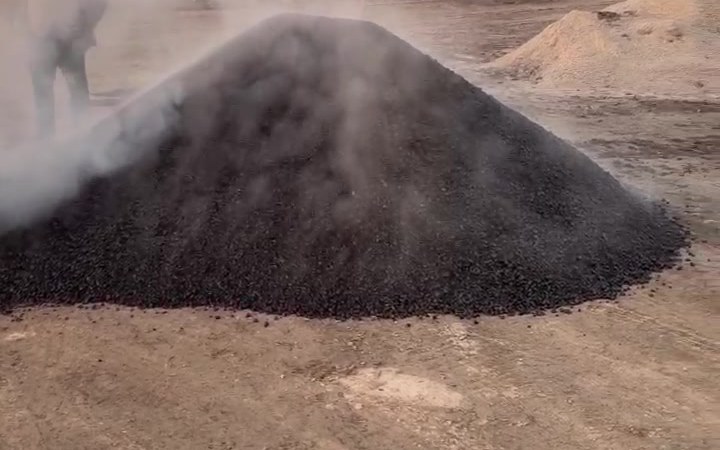
Asphalt coring and hot-mix testing: thickness, density, binder
Asphalt core testing: layer thickness, core bulk density, hot-mix sampling, Marshall specimens, binder content and grading, what the contractor should prepare, and how we report the results.
Read the guide →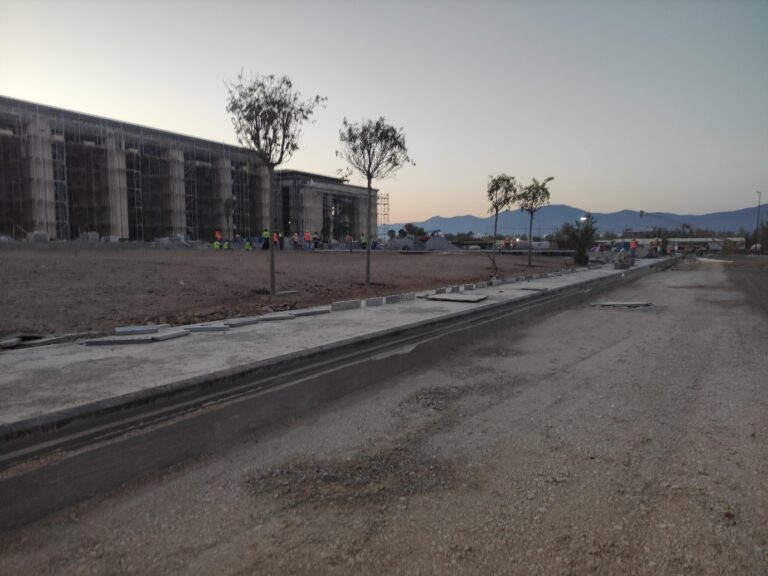
Asphalt degree of compaction: why cores come out low
Degree of compaction can be expressed against the Marshall density or against the maximum density, and the two scales give different numbers.
Read the guide →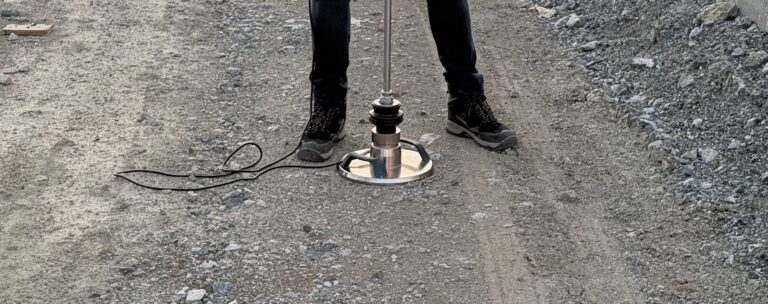
Road construction quality control: tests for each layer
A layer-by-layer map of road quality control: which tests approve the materials, accept each earthworks layer and check the asphalt during and after paving, and which standards…
Read the guide →Concrete and aggregates4
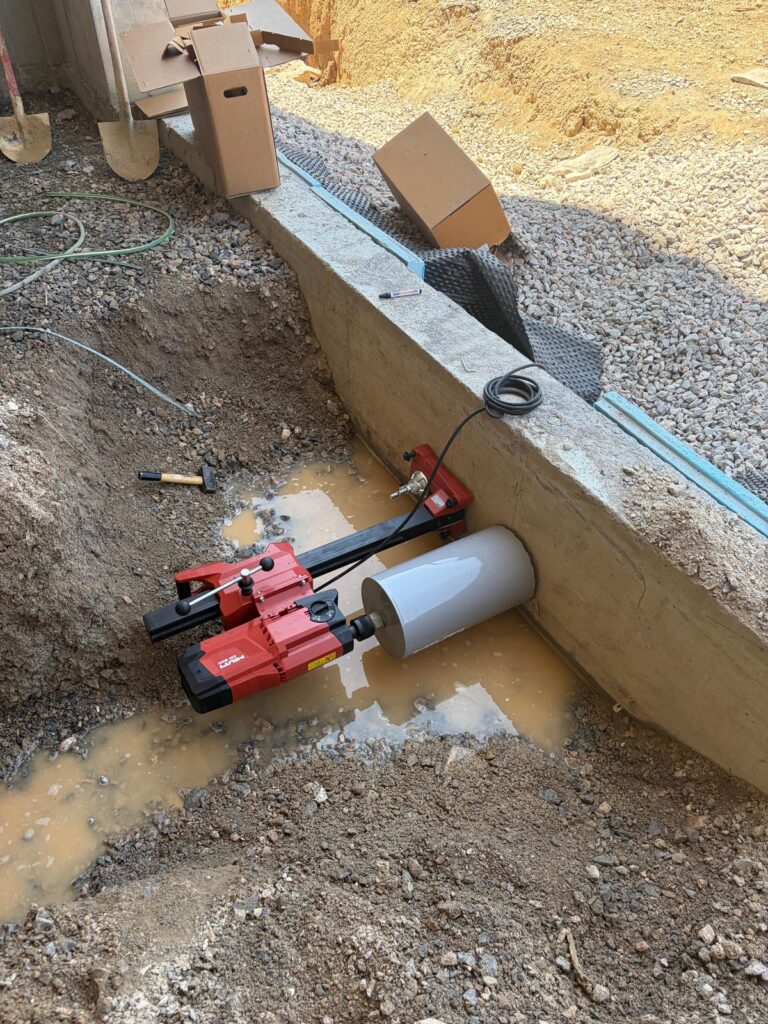
Concrete coring and in-situ compressive strength
When concrete cores are needed, how they are drilled and tested, why core and cube strengths differ, and how TS EN 13791:2019 assesses in-situ strength.
Read the guide →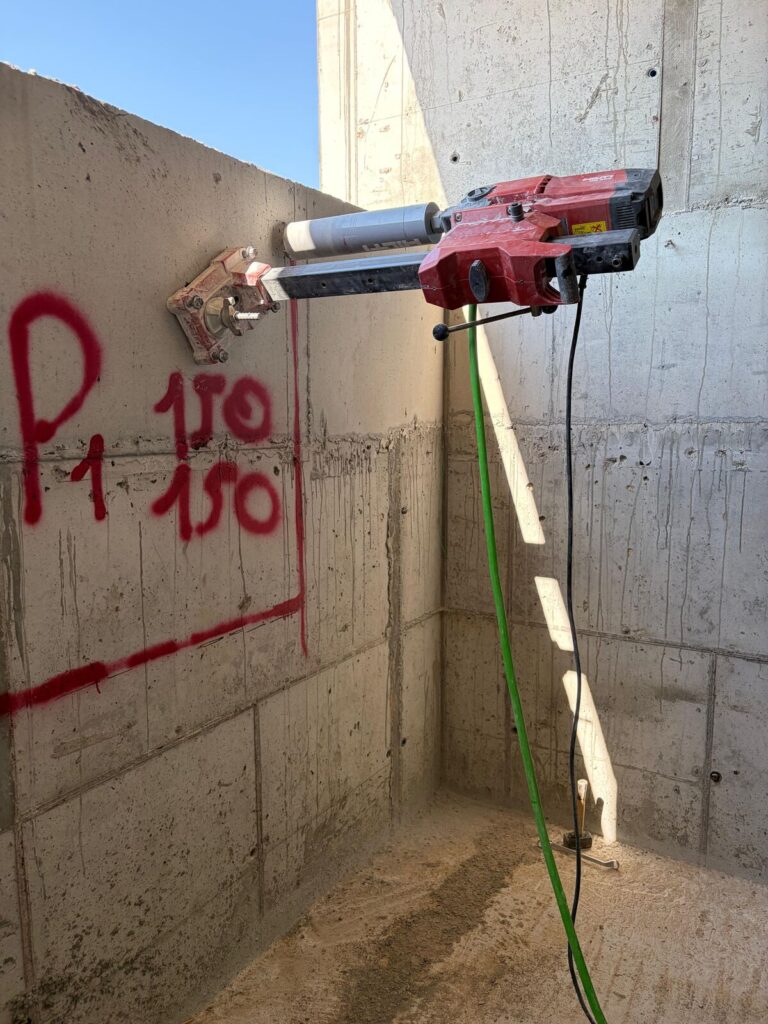
Does concrete coring damage an existing building?
Owners often ask whether drilling cores weakens their building. We explain what happens on the day, how the effect is kept local and limited, and what a core test can and cannot…
Read the guide →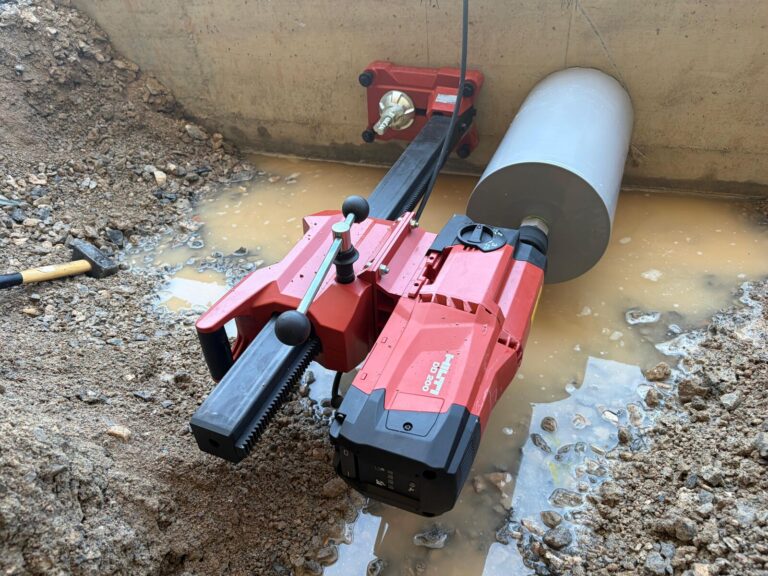
Concrete cubes and cylinders: curing and 7/28-day strength
What C25/30 means, how cubes and cylinders are sampled, made and cured, why the 7-day result is only an indicator, and what to check when results come out low.
Read the guide →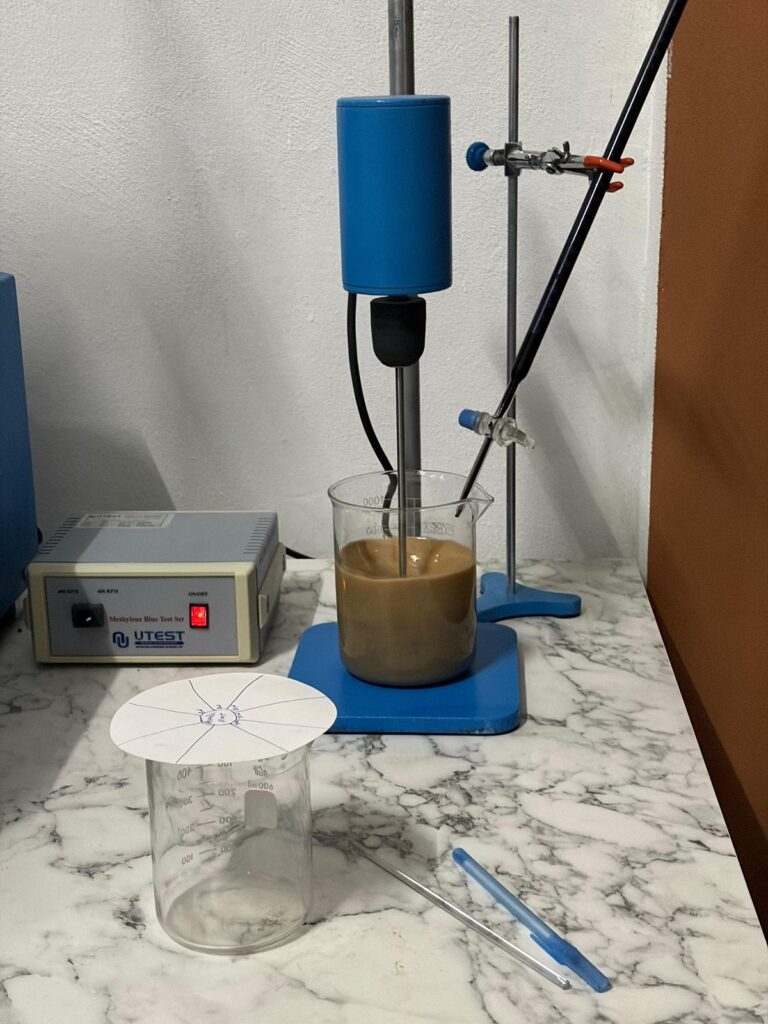
Aggregate testing: grading, Los Angeles, methylene blue, shape
A practical guide to aggregate testing: sieve grading, Los Angeles, methylene blue, density, absorption and particle shape, plus how to sample a stockpile.
Read the guide →Reports and terms2
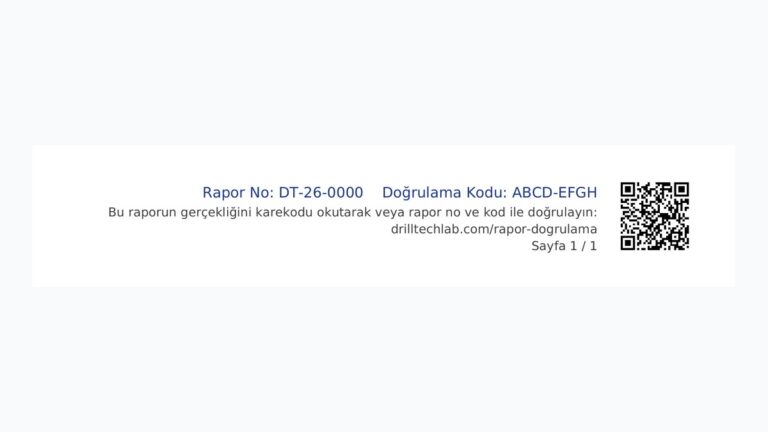
How to read and verify a DrillTech test report
What a DrillTech test report contains, what to tell us at sampling, and how anyone can verify a report by QR code, report number and code, or the PDF.
Read the guide →
Glossary of soil, asphalt and concrete testing terms
Short definitions of the terms used in our reports and guides, from Evd and degree of compaction to RQD, air voids and fck, with Turkish equivalents and standards.
Open the glossary →